
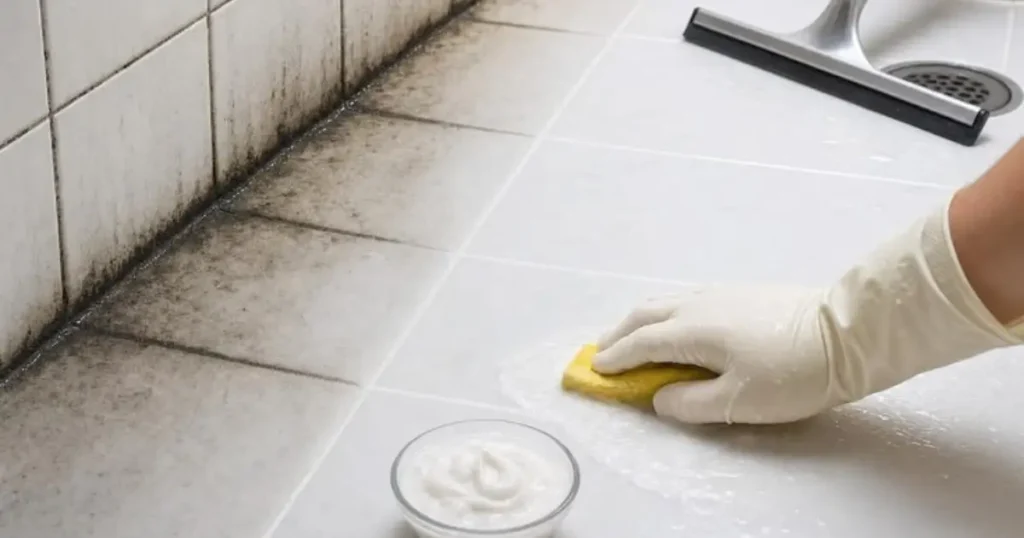
A simple bathroom tile maintenance routine can keep your tiles cleaner, brighter and in better condition for years.
Bathrooms deal with water, steam, soap, dirt and everyday use, so tiles can quickly lose their fresh appearance. Without regular care, grout can become dull, stains can build up and moisture can create bigger problems.
The good news is that you do not need complicated products or hours of scrubbing. The right bathroom tile maintenance habits can protect your tiles and grout while making your bathroom easier to keep clean.
What Does Bathroom Tile Maintenance Involve?
Good bathroom tile maintenance is about small jobs done regularly rather than heavy cleaning once the bathroom looks dirty.
A proper routine includes cleaning tiles, keeping grout dry, controlling moisture, dealing with stains early and checking for signs of damage.
Your routine should also suit the type of tile in your bathroom. Ceramic, porcelain, natural stone and other surfaces can have different cleaning requirements.
11 Bathroom Tile Maintenance Tips
These practical bathroom tile maintenance tips can help you protect your bathroom surfaces and keep them looking their best.
1. Wipe Down Tiles After Showering
Removing excess water is one of the easiest bathroom tile maintenance habits you can start today.
Water left on tiles can dry and leave behind mineral deposits, soap residue and water marks. Over time, these deposits can make tiles look dull.
Use a squeegee or clean microfibre cloth after showering to remove excess water from walls and floors.
This simple habit also reduces the amount of moisture sitting around grout joints.
2. Keep Your Bathroom Well Ventilated
Better ventilation helps control the moisture that your bathroom produces every day.
Hot showers create steam, and that moisture needs somewhere to go. Poor ventilation can leave bathrooms damp for longer and create an environment where mould and mildew can develop.
Use your extractor fan while showering and leave it running afterwards where appropriate. Open a window when practical to improve airflow.
New Zealand’s Building Code includes specific requirements around internal moisture and ventilation. Building Performance’s E3 Internal Moisture guidance provides useful information about managing moisture inside buildings.
3. Clean Your Tiles Regularly
Regular cleaning prevents everyday dirt from becoming a stubborn build-up.
You do not need to wait until your bathroom looks dirty before cleaning it. Include your tiles in your normal weekly bathroom cleaning routine.
Use a suitable tile cleaner and a soft cloth or non-abrasive cleaning pad. Follow the manufacturer’s instructions and avoid using harsh products unless they are suitable for your particular tile.
Consistent bathroom tile maintenance makes deep cleaning less difficult later.
If your tiles already have heavy dirt or staining, professional tile and grout cleaning from GroutXpert can provide a deeper clean.
4. Give Grout the Attention It Needs
Clean tiles can still look dirty when the grout around them becomes stained or discoloured.
Grout sits between your tiles and receives plenty of moisture and dirt. It can gradually become darker, stained or difficult to clean.
Include grout lines in your regular bathroom tile maintenance routine. Use a suitable grout cleaner and a soft brush when needed.
Do not use excessive pressure when scrubbing because damaged grout can create additional problems.
5. Deal With Soap Scum Early
Removing soap residue early is much easier than trying to remove years of build-up.
Soap scum can leave a cloudy film across bathroom tiles, particularly around showers and baths.
Wipe down surfaces regularly and clean visible residue before it becomes thick and difficult to remove.
If ordinary cleaning no longer restores the surface, professional tile and grout cleaning can help remove built-up grime.
6. Do Not Ignore Small Grout Cracks
Small grout cracks can become more noticeable problems when you leave them untreated.
Inspect your grout occasionally for cracks, gaps, crumbling sections or areas that appear loose.
Damaged grout does not automatically mean you need to replace your tiles. Depending on the condition, targeted grout repair or restoration may provide a more practical solution.
If you notice deteriorating joints, consider professional grout repair before the damage becomes more extensive.
7. Remove Mould as Soon as You Notice It
Early mould removal is an important part of maintaining a clean bathroom.
Mould can appear around grout lines, silicone joints, shower corners and other damp areas.
Do not simply paint over or permanently cover mould. Clean affected areas appropriately and look at why moisture remains there.
Good ventilation, regular cleaning and keeping surfaces dry can all support better bathroom tile maintenance.
If mould keeps returning in the same area, investigate the underlying moisture problem rather than repeatedly treating the surface.
8. Choose Cleaning Products Carefully
The strongest cleaning product is not always the best choice for your tiles.
Different tile materials respond differently to cleaning chemicals. Natural stone, for example, can require more careful product selection than many ceramic or porcelain surfaces.
Before using a new product, check the tile manufacturer’s recommendations. Avoid mixing cleaning chemicals, particularly products that may create harmful fumes when combined.
If you are unsure which product is suitable, professional advice can help you avoid accidentally damaging your tiles or grout.
9. Check Around Shower Edges and Corners
The areas around shower edges often need extra attention during bathroom tile maintenance.
Water can collect around corners, joints, shower screens and transitions between different surfaces.
Check these areas regularly for:
- Cracked grout
- Gaps
- Loose sealant
- Discolouration
- Persistent dampness
- Water pooling
These signs do not always indicate a major problem, but they should not be ignored.
Early attention can help prevent a small maintenance issue from becoming a more expensive repair.
10. Avoid Abrasive Scrubbing
Gentle cleaning usually provides better long-term protection than aggressive scrubbing.
Abrasive pads, hard brushes and unsuitable powders can scratch some tile surfaces or wear down grout.
Use a soft brush, microfibre cloth or cleaning tool appropriate for the surface.
When you practise regular bathroom tile maintenance, you should not need to rely on aggressive scrubbing to remove months of accumulated dirt.
11. Inspect Your Bathroom Tiles Regularly
A quick inspection can help you spot problems before they become difficult to fix.
Every few weeks, look closely at your tiles and grout rather than only cleaning what you can see from a distance.
Look for:
- Loose tiles
- Cracked tiles
- Missing grout
- Cracked grout
- Persistent stains
- White mineral deposits
- Mould
- Water pooling
- Damp areas
If you notice white powder around grout lines, for example, it could be efflorescence on tiles rather than ordinary dirt.
Regular inspections make bathroom tile maintenance more proactive and can help you identify problems earlier.
How Often Should You Maintain Bathroom Tiles?
The best bathroom tile maintenance schedule depends on how often you use your bathroom and how much moisture it receives.
For most homes, a simple routine works well:
Daily:
Wipe excess water from shower surfaces and keep the bathroom ventilated.
Weekly:
Clean tiles, shower surfaces and grout lines.
Monthly:
Inspect grout, corners, shower edges and areas prone to mould or staining.
Every few months:
Look more closely for damaged grout, loose tiles, recurring stains or moisture-related issues.
Professional cleaning or restoration can then address areas that normal household cleaning cannot restore.
What Can Damage Bathroom Tiles Over Time?
Knowing the common causes of tile damage makes bathroom tile maintenance easier.
Tiles can deteriorate or lose their appearance because of:
- Excess moisture
- Soap scum
- Mineral deposits
- Incorrect cleaning products
- Heavy impact
- Poor ventilation
- Neglected grout
- Water penetration
- Persistent mould
- Abrasive cleaning
Not every problem comes from poor cleaning. Some issues relate to moisture, installation or the condition of the materials underneath the tiles.
If a problem keeps returning despite good maintenance, professional assessment may be worthwhile.
Can Regular Bathroom Tile Maintenance Prevent Regrouting?
Regular care can extend the life of grout, but maintenance cannot repair grout that has already deteriorated.
Cleaning grout regularly helps prevent heavy staining and build-up. Keeping shower areas dry can also reduce unnecessary moisture exposure.
However, cracked, missing or badly deteriorated grout may need professional repair or regrouting.
The earlier you identify the problem, the more options you may have.
When Should You Get Professional Tile and Grout Cleaning?
Professional cleaning becomes useful when normal bathroom tile maintenance no longer produces the result you want.
You may want professional help if:
- Tiles remain dull after cleaning
- Grout stays dark or stained
- Soap scum has built up heavily
- Mould keeps returning
- Grout has become difficult to clean
- Mineral deposits keep appearing
- You want to refresh the bathroom before selling your home
- DIY cleaning is taking too much time
GroutXpert provides professional tile and grout cleaning services to help restore heavily soiled bathroom surfaces.
How New Zealand Homes Can Benefit From Better Bathroom Tile Maintenance
New Zealand bathrooms need good moisture management because regular showers and damp conditions can quickly affect tiled surfaces.
Keeping tiles clean is only one part of the process. Good ventilation, proper drying and regular checks around grout and shower areas all contribute to better bathroom care.
Building Performance’s guidance on E3 Internal Moisture explains the importance of managing moisture in buildings.
For homeowners, the practical takeaway is simple: keep your bathroom ventilated, remove excess water and deal with visible problems early.
Bathroom Tile Maintenance FAQs
These common questions can help you build a more effective tile care routine.
How often should I clean bathroom tiles?
For most bathrooms, clean tiles at least once a week. Wipe away excess water and soap residue more frequently in heavily used shower areas.
What is the best way to maintain bathroom grout?
Keep grout clean and dry, use suitable cleaning products and check regularly for cracks or gaps. Professional cleaning can help when household cleaning no longer removes built-up staining.
How do I stop bathroom tiles from looking dull?
Regularly remove soap scum, mineral deposits and dirt. Avoid unsuitable abrasive products and wipe excess water from surfaces after showering.
Should I clean grout every time I clean my tiles?
You do not need to deep-clean grout every time. However, include grout lines in your regular cleaning routine and address visible build-up before it becomes difficult to remove.
Can bathroom tile maintenance prevent mould?
Good maintenance can help reduce the conditions that encourage mould. Regular cleaning, ventilation and moisture control are important, but recurring mould may require investigation of an underlying moisture problem.
When should I replace bathroom grout?
Replace or repair grout when it becomes badly cracked, loose, missing or deteriorated. A professional can assess whether spot repairs, restoration or complete regrouting makes the most sense.
Keep Your Bathroom Tiles Looking New for Longer
The best bathroom tile maintenance routine is simple, consistent and proactive.
Wipe away excess water, ventilate your bathroom, clean tiles regularly, look after grout and deal with small problems before they grow.
You do not have to spend hours cleaning your bathroom every week. A few simple habits can make a noticeable difference to the appearance and condition of your tiled surfaces.
When your tiles or grout need more than routine maintenance, GroutXpert can help.
Ready to refresh your bathroom tiles and grout? Contact GroutXpert today for professional tile and grout cleaning, repair and restoration.