
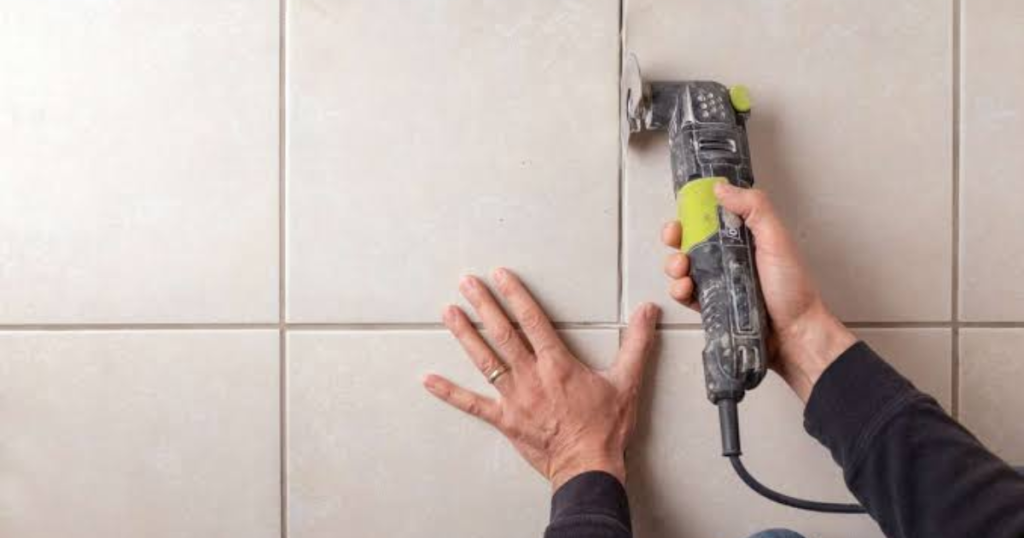
Wondering how long tile regrouting lasts? A properly completed tile regrouting job can keep your tiles looking cleaner and help protect the tiled surface for years. However, its lifespan depends on several factors, including the condition of the existing grout, moisture levels, cleaning habits, ventilation and the quality of the regrouting work.
Regrouting is often a practical alternative to replacing an entire tiled area. If the tiles are still in good condition but the grout has become cracked, stained, loose or difficult to clean, replacing the damaged grout can refresh the surface without removing the tiles.
In this guide, we look at how long tile regrouting can last, what affects its lifespan and how you can help your new grout stay in good condition.
How Long Does Tile Regrouting Last?
The lifespan of tile regrouting depends heavily on the environment and how well the grout is maintained. In a well-maintained bathroom with good ventilation and properly installed grout, regrouted areas can last for many years.
However, there is no single lifespan that applies to every bathroom.
A shower that is used several times a day will put considerably more moisture and wear on grout than a tiled wall in a dry area. Likewise, grout installed over a sound, properly prepared surface is likely to perform better than grout applied where movement, water penetration or damaged substrate issues remain.
The quality of the preparation and installation also matters. Tile regrouting is not simply a matter of filling over old grout. Damaged or unsuitable grout needs to be removed and the joints properly prepared before new grout is applied.
If you are considering professional tile regrouting, you can learn more about the process through GroutXpert’s Tile Re-Grouting service.
What Affects the Lifespan of Tile Regrouting?
Several factors can determine how long your new grout remains strong, clean and intact.
1. The Quality of the Existing Tile Surface
The condition of the tiles and joints underneath the new grout is important.
Before tile regrouting, the existing grout should be assessed carefully. Loose, cracked or deteriorated grout may need to be removed to create a suitable base for the new grout.
If the underlying surface has movement or other problems, simply adding new grout may not solve the issue permanently.
This is why proper preparation is an important part of a successful regrouting job.
2. Bathroom Moisture and Water Exposure
Constant moisture is one of the biggest challenges for shower grout.
Showers are exposed to water every day, and poorly managed moisture can contribute to mould, staining and deterioration around grout joints.
If water is allowed to remain on tiled surfaces for long periods, the grout and surrounding areas are placed under greater moisture stress.
New Zealand’s Building Performance guidance explains that Building Code Clause E3 covers internal moisture, ventilation and wet-area surfaces. Building Performance – E3 Internal Moisture
3. Bathroom Ventilation
Good ventilation can make a noticeable difference to the condition of bathroom grout.
After a shower, warm moist air needs somewhere to go. If the bathroom remains damp for long periods, grout lines can stay wet and become more susceptible to mould and staining.
Using an extractor fan and allowing fresh air into the bathroom can help the area dry more effectively.
For bathrooms with ongoing moisture issues, it is worth addressing the ventilation problem rather than relying on regular grout cleaning alone. Building Performance’s E3 guidance specifically includes ventilation and moisture control in wet areas. NZ Building Code – E3 Internal Moisture
4. How Well the Grout Was Installed
Professional preparation and correct grout application can have a major impact on lifespan.
During tile regrouting, the old grout needs to be removed to an appropriate depth where required, the joints cleaned and the new grout installed correctly.
Poor preparation can leave contaminants, loose material or unsuitable surfaces behind the new grout.
The result may look good initially but can deteriorate sooner than expected.
GroutXpert’s published regrouting process includes inspection, removal of old grout, cleaning the joints, application of new grout and a final quality check. GroutXpert Tile Re-Grouting
5. The Type of Grout Used
Different grout products are designed for different applications.
Bathrooms and shower areas need grout that is suitable for wet environments and the specific tile installation.
The choice of grout can depend on factors such as:
- Tile type
- Joint width
- Location
- Moisture exposure
- Expected traffic
- Cleaning requirements
Choosing the right product for the application is an important part of making tile regrouting last.
6. Cleaning Products
The products you use to clean your bathroom can affect grout over time.
Strong chemicals or unsuitable cleaning products may contribute to deterioration depending on the grout and surface being cleaned.
Regular cleaning is important, but aggressive scrubbing and harsh products are not always the best approach.
A gentle cleaning routine designed for tiled surfaces can help keep grout looking better without unnecessarily wearing the surface.
If your grout is dirty but still structurally sound, professional Tile & Grout Cleaning from GroutXpert may be worth considering before replacing the grout.
7. How Often the Area Is Used
Everyday use naturally affects the lifespan of grout.
A family bathroom used multiple times every day will generally experience more moisture, cleaning and physical wear than a rarely used ensuite.
Shower floors can also experience greater wear because people regularly walk over the tiled surface.
This means two bathrooms that were regrouted at the same time may not require attention again at exactly the same point.
Does Shower Grout Wear Out Faster?
Shower areas generally place greater demands on grout because they are repeatedly exposed to water and moisture.
Shower grout can also collect soap residue, body oils and dirt. If these deposits are not cleaned regularly, they can contribute to staining and make the grout harder to maintain.
Poor ventilation can make the problem worse by slowing down drying.
If your shower grout is becoming cracked, loose, stained or difficult to clean, professional tile regrouting may be worth considering.
For more information about restoring shower grout and tiled surfaces, see GroutXpert’s Bathroom Shower Grout & Tile Restoration service.
How Can You Make Tile Regrouting Last Longer?
A few simple maintenance habits can help protect newly regrouted areas.
Keep the Bathroom Well Ventilated
Allow the bathroom to dry properly after showering.
Use your extractor fan during and after showers and keep suitable airflow through the room.
Wipe Down Wet Surfaces
Removing excess water can help reduce the amount of moisture sitting on grout lines.
A quick wipe of shower walls and floors after use can help the area dry faster.
Clean Grout Regularly
Regular cleaning is easier than trying to remove years of built-up dirt later.
Use suitable tile and grout cleaning products and avoid unnecessarily aggressive scrubbing.
For heavily stained or dirty grout, professional cleaning can remove embedded dirt and grime without immediately resorting to regrouting. GroutXpert explains its cleaning process in its guide to deep tile and grout cleaning.
Deal With Leaks Promptly
A leaking tap, shower fitting or plumbing connection should not be ignored.
Ongoing water exposure can affect more than the grout itself. If you notice persistent dampness, investigate the source before arranging cosmetic repairs.
Building Performance also highlights the importance of properly waterproofing shower penetrations to help prevent water damage. Well-sealed shower penetrations guidance
Check Cracked or Loose Grout
Small grout problems are easier to address before they spread.
Keep an eye out for cracks, gaps, loose sections or areas where grout appears to be breaking away.
Can Tile Regrouting Stop Water Getting Behind Tiles?
Tile regrouting can restore deteriorated grout joints, but grout should not be treated as the only waterproofing layer in a shower.
A properly constructed wet area relies on the complete system, including suitable waterproofing and correctly installed components.
New Zealand’s E3/AS1 guidance covers shower wall and floor finishes, waterproof grouted joints and suitable membranes for tiled shower areas. E3/AS1 Internal Moisture – Building Performance
If you have ongoing water damage, dampness or leaking problems, the underlying cause needs to be investigated rather than simply covering the symptoms with new grout.
Does Sealing Help Tile Regrouting Last Longer?
Depending on the grout and application, sealing can be part of a broader maintenance approach.
A suitable grout sealer may help reduce the absorption of moisture and staining on certain grout surfaces.
However, sealing does not make damaged grout waterproof or fix cracked joints.
The grout should be in suitable condition before sealing is considered. If the existing grout is already badly damaged, tile regrouting may need to come first.
If sealing or repairs are also required, GroutXpert provides Tile & Grout Sealing & Repairs.
What Are the Signs You Need Tile Regrouting?
Your grout may be ready for replacement when cleaning no longer restores its appearance or the joints are visibly deteriorating.
Look for signs such as:
- Cracked grout lines
- Missing sections of grout
- Loose or powdery grout
- Persistent dark staining
- Mould that keeps returning
- Gaps between tiles
- Grout that is difficult to clean
- Deterioration around shower corners
- Water-related concerns around tiled areas
Not every stain means the grout needs replacing. Sometimes professional tile and grout cleaning can restore the surface without regrouting.
GroutXpert also covers common warning signs in its guide on when tile re-grouting is needed.
Tile Cleaning vs Tile Regrouting: Which Do You Need?
The right solution depends on the condition of the grout.
If the grout is structurally sound but dirty, stained or covered with surface build-up, professional tile and grout cleaning may be enough.
If the grout is cracked, missing, loose or significantly deteriorated, cleaning alone may not provide a lasting solution.
In these situations, tile regrouting can restore the grout joints while allowing you to keep the existing tiles.
This can be particularly useful when the tiles themselves are still in good condition.
You can compare the available restoration options through GroutXpert’s complete tile and grout services.
Is Tile Regrouting Better Than Replacing the Tiles?
Regrouting can be a practical option when the tiles are still sound and the main problem is deteriorated grout.
Replacing an entire tiled area involves removing the existing tiles and dealing with the underlying surface before installing new tiles.
If the tiles are in good condition, this may not always be necessary.
Tile regrouting focuses on the grout joints, helping refresh the tiled area without the disruption of a complete tile replacement.
However, if tiles are cracked, loose or the underlying substrate has problems, a more extensive repair may be required.
GroutXpert also discusses the difference between regrouting and tile replacement in its article on why re-grouting can be an alternative to replacing tiles.
How Often Should You Regrout Your Tiles?
There is no fixed schedule for tile regrouting because every tiled area experiences different conditions.
Instead of regrouting simply because a certain number of years have passed, inspect the condition of your grout.
A well-maintained bathroom may continue to look good for many years, while a heavily used shower with moisture or ventilation problems may require attention sooner.
The key is to identify deterioration early and address the cause rather than waiting until the grout has completely failed.
Professional Tile Regrouting in New Zealand
If your bathroom grout is cracked, stained or deteriorating, a professional assessment can help determine whether cleaning, repairs or tile regrouting is the right option.
At GroutXpert, tile and grout restoration focuses on improving the condition and appearance of existing tiled surfaces without automatically replacing tiles.
Before starting work, the condition of the grout, tiles and surrounding area should be assessed so the appropriate solution can be recommended.
GroutXpert provides professional tile and grout restoration services across Wellington and Palmerston North. View GroutXpert’s tile and grout services
Final Thoughts: How Long Does Tile Regrouting Last?
Tile regrouting can last for many years when the grout is correctly installed and properly maintained.
Its lifespan depends on several factors, including moisture exposure, ventilation, grout quality, installation, cleaning products, bathroom usage and the condition of the underlying tiled area.
If your grout is simply dirty, professional cleaning may be enough. If it is cracked, loose or deteriorating, tile regrouting may provide a more suitable solution.
The best way to extend the life of your grout is to keep the bathroom well ventilated, clean the tiled surfaces regularly, deal with leaks promptly and address grout damage before it becomes a larger problem.
Need Help With Tile Regrouting?
Not sure whether your bathroom needs grout cleaning, repairs or tile regrouting?
GroutXpert can assess the condition of your tiled surfaces and help identify the most suitable restoration option.
Get in touch with GroutXpert to discuss your tile and grout restoration needs. You can request a quote through the GroutXpert contact page.