
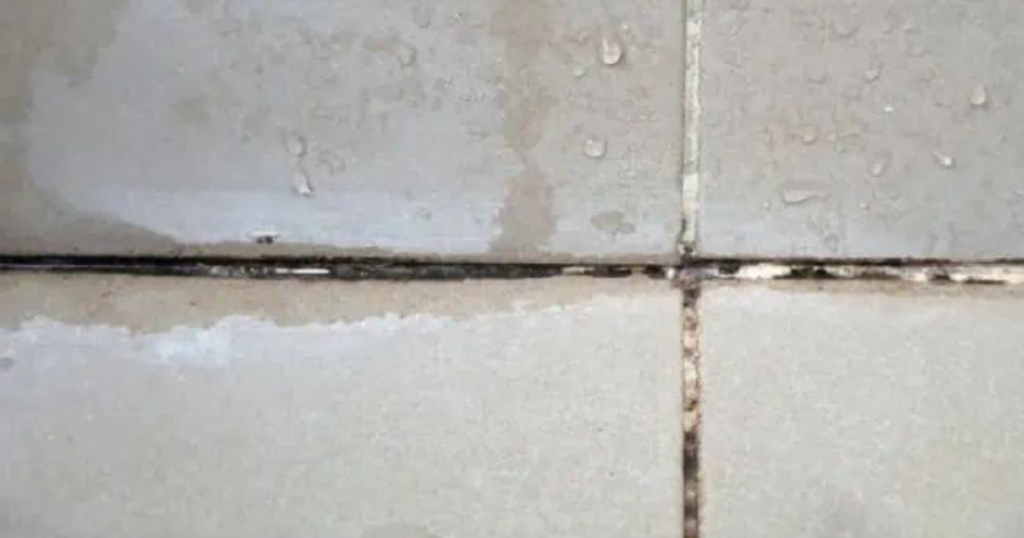
Can cracked grout cause water damage behind bathroom tiles? It can contribute to moisture getting into areas where it should not, particularly when cracks, gaps or deteriorated grout are combined with failed waterproofing, damaged joints or ongoing water exposure.
Grout is an important part of a tiled surface, but it should not be treated as the only waterproofing layer behind bathroom tiles. A properly constructed bathroom relies on the complete wet-area system to manage water and moisture.
If you have noticed cracked grout in your shower, bathroom walls or floor, it is worth finding out why it happened and whether there are any signs of moisture damage behind the tiles.
Can Cracked Grout Cause Water Damage Behind Bathroom Tiles?
Cracked grout can create openings where water and moisture may enter the tiled assembly. However, cracked grout does not automatically mean that water has reached the wall framing or caused structural damage.
The risk depends on several factors, including:
- Where the cracked grout is located
- How severe the cracking is
- How long the grout has been damaged
- How frequently the area gets wet
- The condition of the waterproofing system
- Movement behind the tiles
- Whether there are gaps around shower fixtures or corners
A small crack on a dry bathroom wall may be relatively minor. Cracked grout in a shower that receives water every day deserves more attention.
New Zealand’s Building Performance guidance explains that Building Code Clause E3 addresses internal moisture, including wet areas, ventilation and moisture control. E3 Internal Moisture – Building Performance.
Why Does Cracked Grout Let Moisture Through?
Grout fills the joints between tiles, but it is not a substitute for a waterproof membrane.
When grout becomes cracked or missing, the joints can provide an easier path for water to move into the tiled assembly.
This becomes more concerning when cracks occur around areas that receive regular direct water exposure, such as:
- Shower walls
- Shower floors
- Around taps and mixers
- Around shower fittings
- Internal corners
- Junctions between walls and floors
- Areas around baths
If water continues to enter these areas, moisture can potentially reach materials behind the tiles depending on how the bathroom was constructed.
Building Performance specifically notes that shower penetrations need appropriate waterproofing to prevent water getting behind linings and into concealed spaces. Well-Sealed Shower Penetrations – Building Performance.
Does Cracked Grout Always Mean There Is Water Damage?
No. Cracked grout does not automatically mean there is water damage behind the tiles.
Grout can crack for several reasons that do not necessarily indicate an existing leak.
Movement
Movement is one of the common reasons grout joints can crack.
Buildings and building materials can experience movement over time. If the tiled surface moves, rigid grout may crack.
Poor Installation
Incorrect grout installation can also contribute to cracking.
Issues with surface preparation, grout application or joint conditions can affect how the finished grout performs.
Moisture and Water Exposure
Constant wetting and drying can put additional stress on bathroom grout.
Showers experience repeated exposure to water, steam and changes in moisture levels.
Flexible Joints Not Being Used Where Required
Some changes of plane and movement areas need appropriate flexible sealant rather than rigid grout.
For example, internal corners in tiled wet areas may need suitable flexible joint treatment rather than relying on grout alone.
Where Is Cracked Grout Most Concerning?
The location of the crack matters just as much as the crack itself.
Cracked grout on a shower wall is generally more important to investigate than a small crack on a decorative tiled wall that rarely gets wet.
Pay particular attention to cracked grout around:
- Shower corners
- Shower floors
- Bath edges
- Plumbing penetrations
- Shower mixers
- Showerheads
- Floor-to-wall junctions
- Wall-to-wall junctions
These areas experience regular moisture exposure or changes in direction and movement.
For wider bathroom and shower restoration work, GroutXpert also provides Bathroom Shower Grout & Tile Restoration as part of its tile and grout services.
What Are the Signs of Water Damage Behind Bathroom Tiles?
Cracked grout is only one possible warning sign.
If you are concerned about moisture behind your tiles, look for other signs such as:
- Persistent dampness
- Musty smells
- Mould that keeps returning
- Swollen skirting or trim
- Bubbling or damaged paint on nearby walls
- Discoloured surfaces
- Loose or lifting tiles
- Soft areas around walls or flooring
- Grout that repeatedly cracks in the same location
- Water appearing outside the shower area
One sign alone does not prove that there is hidden water damage. However, several signs together are worth investigating.
If moisture and mould are also a concern, Health New Zealand recommends practical steps such as using bathroom extractor fans and improving airflow to help reduce dampness. Health New Zealand – Keeping Your Home Healthy.
Can Loose Tiles Be Caused by Water Damage?
Loose tiles can have several causes, including movement, installation issues and moisture-related problems.
When moisture reaches materials behind a tiled surface, it can potentially affect the substrate depending on the construction of the bathroom.
If tiles become loose, hollow-sounding or start moving when pressed, avoid simply regrouting over the area without finding out why.
A surface repair may improve the appearance temporarily while leaving the underlying problem unresolved.
For a more detailed assessment of an existing tiled area, professional tile and grout services can help identify whether the problem appears limited to the grout or requires further attention.
Can Cracked Grout Cause Mould Behind Bathroom Tiles?
Persistent moisture can create conditions where mould becomes more likely, but cracked grout alone does not prove that mould is growing behind the tiles.
Bathrooms naturally produce moisture, particularly around showers and baths.
Poor ventilation, water leaks and moisture trapped in building materials can all contribute to mould problems.
If mould keeps returning after cleaning, consider whether there is an ongoing moisture source rather than repeatedly treating the visible surface.
Health New Zealand recommends using extractor fans in bathrooms and improving ventilation to help keep homes drier. Health New Zealand – Ventilation.
How Can You Tell If Cracked Grout Needs Repair?
Not every small grout crack requires a complete bathroom renovation.
Start by looking at the size, location and condition of the crack.
Small Surface Cracks
A small crack in otherwise sound grout may need monitoring or local repair.
However, if it occurs in a shower or another area with regular water exposure, it should not simply be ignored.
Missing or Crumbling Grout
Grout that is missing, powdery or breaking away needs more attention.
Water can reach the joint more easily when sections of grout are missing.
Repeated Cracking
If the same grout joint keeps cracking after repair, look for an underlying cause.
Movement, moisture, unsuitable joint treatment or problems with the substrate may need to be investigated.
Can Regrouting Prevent Water Damage?
Proper tile regrouting can restore damaged grout joints, but it should not be viewed as a replacement for waterproofing.
If the tiles and underlying wet-area system are sound, regrouting can help restore deteriorated joints and improve the condition of the tiled surface.
Before regrouting, damaged grout should be properly removed and the joints prepared for the new grout.
GroutXpert provides professional Tile Re-Grouting as part of its tile and grout restoration services.
However, if there is evidence of an underlying waterproofing failure or significant water damage, regrouting alone may not solve the problem.
New Zealand’s Building Code guidance recognises the importance of wet-area membrane systems where required to protect buildings from water splash and overflow. E3/AS2 – Internal Wet-Area Membrane Systems.
What About Grout Around Shower Corners?
Shower corners deserve particular attention because changes of plane can experience movement.
Rigid grout can crack when movement occurs between adjoining surfaces.
This is why simply filling a repeatedly cracked corner with more grout may not provide a lasting solution.
If you notice recurring cracks in shower corners, the joint should be assessed to determine whether the appropriate flexible joint treatment is required.
How Can You Prevent Cracked Grout Water Damage?
Regular maintenance can help you identify problems before they become more serious.
Check Your Grout Regularly
Take a quick look at your shower grout every few weeks.
Look for new cracks, missing sections, dark staining or areas where the grout is becoming loose.
Keep the Bathroom Ventilated
Good ventilation helps reduce excess moisture in the bathroom.
Run the extractor fan during and after showering and allow the bathroom to dry properly.
Keep Shower Surfaces Clean
Regular cleaning helps prevent heavy build-up on grout and tiles.
If your grout is dirty but still intact, professional Tile & Grout Cleaning may be suitable. GroutXpert’s cleaning process includes inspection of damaged grout before cleaning, which can help identify areas that may need more than cleaning.
Deal With Leaks Quickly
Do not ignore leaking taps, shower fittings or plumbing connections.
A leak can expose the surrounding area to moisture far more consistently than normal shower use.
Building Performance notes that poorly sealed shower penetrations can allow water into concealed building elements and contribute to water damage. Well-Sealed Shower Penetrations – Building Performance.
Repair Damaged Grout
Address cracked or missing grout before the damage becomes more extensive.
Early repairs can help maintain the condition of the tiled surface and make it easier to identify whether a deeper issue is developing.
When Should You Call a Professional?
Professional advice is worthwhile when cracked grout appears alongside other signs of moisture problems.
Consider having the area assessed if you notice:
- Repeated grout cracking
- Loose tiles
- Persistent mould
- Musty smells
- Damp walls
- Water stains
- Soft surfaces
- Crumbling substrate
- Water appearing outside the shower
- Recurring moisture problems
A professional can help determine whether the issue is limited to the grout or whether further investigation is needed.
Cracked Grout Repair or Tile Regrouting?
The right solution depends on how much of the grout has deteriorated.
If only a small section is damaged, local grout repair may be possible.
If large sections are cracked, missing or badly stained, complete tile regrouting may be more suitable.
If the tiles themselves are loose or there are signs of underlying water damage, the problem may require more extensive investigation before any regrouting takes place.
GroutXpert provides Tile Re-Grouting, Tile & Grout Cleaning, Sealing & Repairs and Bathroom Shower Grout & Tile Restoration as part of its wider tile and grout services.
Does Cracked Grout Mean You Need to Replace Your Tiles?
Not necessarily.
Cracked grout does not automatically mean that the tiles need to be removed.
If the tiles remain sound and the underlying surface is in good condition, regrouting can often restore the grout joints without replacing the entire tiled area.
However, damaged tiles, movement or problems behind the tiled surface may require a different approach.
The condition of the complete tiled system should be considered before deciding on replacement.
Final Thoughts: Cracked Grout Water Damage
Cracked grout can contribute to moisture getting behind bathroom tiles, particularly in wet areas such as showers.
However, cracked grout alone does not prove that water damage has occurred.
The location and severity of the cracking, the condition of the waterproofing, bathroom ventilation, water exposure and any additional warning signs all matter.
If you notice cracked grout, do not automatically assume that you need to replace your tiles. First, identify the cause and assess the condition of the surrounding tiled area.
Where the grout has deteriorated but the tiles and underlying system remain sound, tile regrouting may be a practical way to restore the surface.
Need Help With Cracked Bathroom Grout?
Not sure whether your cracked grout needs a simple repair, cleaning or complete regrouting?
GroutXpert can assess your tiled surfaces and help identify the appropriate restoration option, whether you need tile and grout cleaning, tile regrouting, sealing or other grout repairs.
If the grout is mainly stained or dirty, you can explore GroutXpert’s Tile & Grout Cleaning service. For cracked, missing or deteriorated grout, learn more about Tile Re-Grouting.
Get in touch with GroutXpert to discuss your bathroom grout and tile restoration needs.