
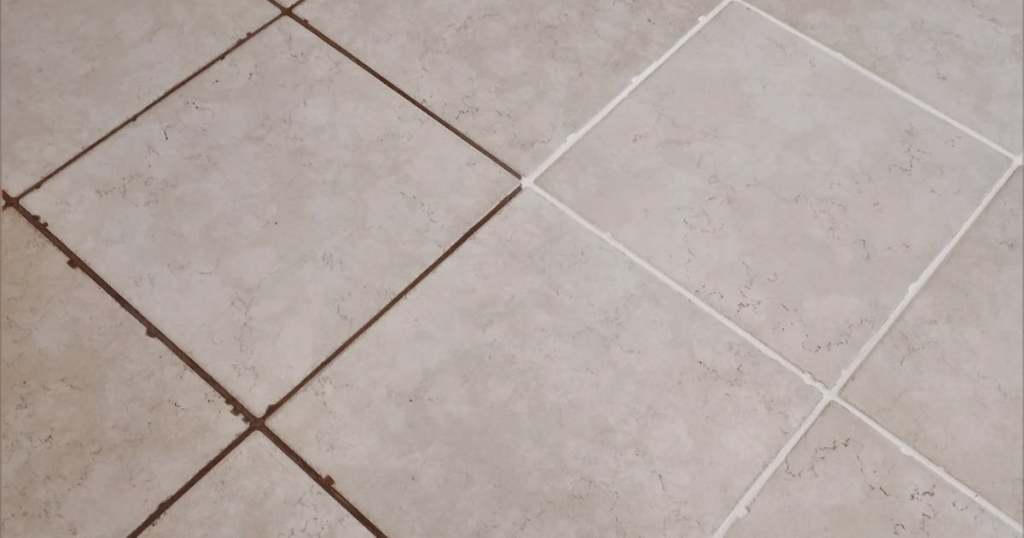
Grout repair vs regrouting can be difficult to understand when your bathroom grout starts cracking, staining or falling away. A small damaged section does not always mean you need to replace all the grout, while widespread cracking, mould and crumbling grout may need a more complete solution.
Knowing the difference between grout repair and regrouting can help you choose the right approach for your bathroom. In this guide, we explain what each option involves, the signs to look for and when it makes sense to call a professional.
Grout Repair vs Regrouting: What Is the Difference?
The main difference between grout repair vs regrouting is how much of the existing grout needs attention. Grout repair usually focuses on a small or localised damaged area, while regrouting involves removing old grout from a larger tiled area and replacing it with fresh grout.
A simple way to think about it is local damage versus widespread deterioration. If one or two grout joints have cracked but the surrounding grout remains in good condition, a targeted repair may be suitable. If large sections are cracked, mouldy, stained or crumbling, full regrouting may provide a more consistent result.
The condition of the surrounding tiles and joints also matters. A professional inspection can help determine whether the problem is limited to the grout or whether moisture, movement, loose tiles or another underlying issue needs attention.
When Does Your Bathroom Need Grout Repair?
Grout repair can make sense when the damage is small and clearly localised. You may not need to remove all the grout if only a few joints have minor cracks, gaps or isolated damage.
Signs You May Need Grout Repair
Look for small areas of damage rather than judging the whole bathroom at once. Grout repair may be worth considering when you notice:
- A small crack in one grout joint
- A small section of missing grout
- Localised crumbling
- Damage around one tile
- Minor grout damage near a shower fitting
- A small area that has become loose or worn
- Isolated staining that cannot be cleaned
The surrounding grout should also be assessed before choosing a repair. If most of the grout is still firm, clean and intact, repairing the damaged section may be more practical than removing everything.
However, a small visible crack does not always mean the underlying problem is small. In a wet area, moisture can become a concern when joints, seals or other wet-area components have deteriorated.
When Is Full Regrouting the Better Option?
Full regrouting becomes more relevant when grout deterioration affects a large part of the bathroom or shower. Instead of repeatedly repairing individual areas, the old grout can be removed and replaced across the affected tiled surface.
Signs Your Bathroom May Need Regrouting
Widespread deterioration is one of the clearest signs that a larger grout restoration job may be needed. Look for:
- Cracked grout across several areas
- Grout that is crumbling or falling out
- Persistent black or dark mould
- Widespread discolouration
- Soft or damaged grout
- Multiple open grout joints
- Repeated grout repairs
- Heavy staining that cleaning does not remove
- Water-related problems around the shower
- Grout that looks old and uneven throughout the bathroom
When several of these signs appear together, patching individual areas may only provide a short-term improvement. Professional regrouting removes deteriorated grout and gives the tiled area a fresh, consistent finish.
GroutXpert’s Tile Re-Grouting service removes old, damaged grout and replaces it with fresh grout across the affected tiled area. The service is suitable for bathrooms, kitchens and floors where grout has become cracked, stained or deteriorated.
Grout Repair vs Regrouting: Does Mould Mean You Need Regrouting?
Mould does not automatically mean the entire bathroom needs regrouting. The extent of the mould and the condition of the grout underneath it both matter.
Surface mould may sometimes respond to professional tile and grout cleaning. If the grout remains structurally sound but has dirt, soap residue or surface discolouration, cleaning may be enough.
Persistent mould can be a different problem. If grout is damaged, porous or continually exposed to moisture, cleaning alone may not solve the underlying issue.
GroutXpert’s Tile & Grout Cleaning service can help when dirt, grime, mould and stains have built up on tiled surfaces. This can be a useful option when the existing grout is still in good condition but needs professional cleaning.
Can Cracked Grout Cause Water Problems?
Cracked or missing grout should not simply be ignored in a wet area. However, grout is only one part of a bathroom’s overall moisture-management system.
New Zealand Building Code Clause E3 covers internal moisture and includes requirements around wet-area surfaces, ventilation and moisture control. Building Performance states that surfaces in wet areas must be impervious and easily cleaned, with ventilation provided to meet the relevant health and safety conditions. Read the MBIE Building Performance guidance on E3 Internal Moisture.
Shower penetrations also need proper sealing to help prevent water reaching concealed building elements. Building Performance explains that shower penetrations should be waterproofed using a suitable proprietary system or sealant. See the NZ guidance on well-sealed shower penetrations.
This is why repeated cracks, dampness, leaks or loose tiles deserve closer attention. Regrouting can restore deteriorated grout, but it should not be used to hide an underlying waterproofing or building issue.
For a related explanation, read Can Cracked Grout Cause Water Damage Behind Bathroom Tiles? for more information about damaged grout and moisture concerns.
Grout Repair vs Regrouting: What About Loose Tiles?
Loose tiles can change the answer completely when comparing grout repair vs regrouting. Regrouting alone does not normally fix a tile that has become loose because grout is not the primary adhesive holding the tile to the substrate.
If one or two tiles are loose, the underlying cause should be checked first. The tile may need to be removed carefully, the substrate and adhesive assessed, and the tile securely reinstalled before the surrounding grout is repaired.
If several tiles are loose, there may be a wider issue to investigate. Possible causes can include substrate movement, adhesive problems or moisture-related issues.
This is another reason not to choose regrouting simply because the grout looks damaged. The surrounding tiled area should be assessed before deciding on the work required.
Grout Repair vs Regrouting: Which Is More Suitable for Your Bathroom?
The right option depends mainly on the amount and condition of the damaged grout. Use this as a simple starting point:
| Bathroom condition | Possible solution |
|---|---|
| One small cracked grout joint | Grout repair |
| Small isolated damaged section | Grout repair |
| A few missing grout sections | Grout repair |
| Widespread cracked grout | Regrouting |
| Grout crumbling across the shower | Regrouting |
| Heavy mould throughout grout lines | Cleaning or regrouting, depending on condition |
| Widespread permanent staining | Cleaning or regrouting, depending on condition |
| Repeated grout repairs | Consider regrouting |
| Loose tiles | Tile inspection and repair first |
| Suspected moisture behind tiles | Professional assessment |
This table is a starting point rather than a substitute for an inspection. The visible condition of grout does not always tell you what is happening behind or underneath the tiles.
Can Tile and Grout Cleaning Save You From Regrouting?
Sometimes cleaning is all your bathroom needs. If the grout is structurally sound but looks dirty, stained or dull, professional cleaning may restore its appearance without removing the existing grout.
Cleaning becomes especially useful when dirt and soap residue have built up over time. Professional cleaning can help restore the appearance of grout that has become heavily soiled through everyday bathroom use.
Before choosing regrouting, consider whether the grout is actually damaged or simply dirty. If the joints remain solid and intact, cleaning may be worth considering first.
GroutXpert provides professional Tile & Grout Cleaning for tiled surfaces affected by dirt, grime, mould and staining.
What Happens During Professional Regrouting?
Professional regrouting starts with checking the condition of the existing tiled area. The goal is not simply to add new grout over the old surface.
The damaged grout needs to be properly removed before fresh grout is applied. This creates clean joints and allows the new grout to be installed correctly.
A Typical Regrouting Process
The process normally starts with an inspection of the bathroom or shower.
- Inspect the tiled area – Check grout, tiles, joints and visible signs of moisture problems.
- Remove damaged grout – Carefully remove old, cracked, loose or deteriorated grout.
- Prepare the joints – Clean the joints and remove remaining debris.
- Apply fresh grout – Fill the prepared joints with suitable new grout.
- Clean the tiled surface – Remove excess grout and clean the tiles.
- Complete final checks – Check the finish and surrounding areas before the work is completed.
GroutXpert’s Tile Re-Grouting service follows a professional process of removing damaged grout and replacing it with fresh grout.
You can also read Tile Re-Grouting: How to Fix Cracked or Mouldy Tile Grout for a more detailed explanation of the regrouting process.
Should You Repair Grout Yourself?
A small DIY grout repair may look simple, but bathrooms need careful attention because they are exposed to regular moisture. Poor preparation or an unsuitable product can result in weak or uneven joints.
The biggest mistake is treating the visible grout as the whole problem. If you have recurring cracks, loose tiles, damp areas or leaks, replacing a small section of grout may not address the underlying cause.
Professional advice is particularly useful in showers and other high-moisture areas. NZ Building Performance guidance highlights the importance of managing moisture and preventing water from reaching concealed building elements.
Grout Repair vs Regrouting: What About Sealing?
Grout sealing can form part of ongoing tile and grout maintenance, but it should not be treated as a solution for badly damaged grout. Damaged or missing grout should be repaired or replaced first.
Once the grout is in good condition, suitable sealing may help with ongoing maintenance and staining. The correct product and application method depend on the grout and tiled surface.
If you need repairs as well as sealing, see GroutXpert’s Tile & Grout Sealing & Repairs service.
How Can You Prevent Future Grout Damage?
Good bathroom maintenance can help your grout stay in better condition for longer. Simple habits can reduce moisture and buildup between professional services.
Keep Your Bathroom Ventilated
Ventilation helps manage moisture in bathrooms and showers. Use your extractor fan during and after showers and allow the room to dry properly.
NZ Building Performance’s E3 guidance includes ventilation and moisture control as part of its requirements for internal moisture. Read the official E3 Internal Moisture guidance.
Clean Grout Regularly
Regular cleaning helps prevent dirt, soap residue and stains from building up. Avoid aggressive scrubbing or unsuitable chemicals that may damage grout or surrounding surfaces.
If the grout has become heavily stained or dirty, professional Tile & Grout Cleaning can help restore the surface.
Repair Cracks Early
Small grout damage is easier to address before it spreads. If you notice a crack, gap or missing section, have it checked rather than waiting until several areas begin failing.
Watch for Recurring Moisture
Persistent dampness, leaks or mould should be investigated rather than repeatedly cleaned. These signs may point to a moisture problem that needs more than a simple grout repair.
Grout Repair vs Regrouting: When Should You Call a Professional?
Professional advice is useful when you cannot tell whether the damage is local or widespread. An inspection can help determine whether cleaning, repair, regrouting or further investigation is appropriate.
Consider arranging an inspection if you notice:
- Cracks appearing repeatedly after repair
- Large areas of missing grout
- Black mould that keeps returning
- Loose bathroom tiles
- Damp or musty smells
- Water leaking from the shower
- Grout crumbling across multiple walls or floors
- Persistent staining that cleaning does not remove
- Signs of moisture around walls, floors or fittings
A professional can assess the grout and surrounding tiled area before recommending the appropriate solution.
Grout Repair vs Regrouting: The Simple Answer
The choice between grout repair vs regrouting usually comes down to the extent and condition of the damage. A small, isolated problem may need only a targeted repair, while widespread cracking, mould, crumbling or deterioration may call for regrouting.
Cleaning may also be the right solution when the grout is sound but simply dirty or stained. Loose tiles, recurring moisture and leaks require a closer inspection because regrouting alone may not solve those problems.
The key is to fix the actual problem rather than only improving what you can see. Properly maintained tiled surfaces are easier to clean and can help keep your bathroom in better condition.
Need Help With Bathroom Grout Repair or Regrouting?
Not sure whether your bathroom needs grout repair vs regrouting? GroutXpert provides professional tile and grout restoration services, including grout repairs, tile regrouting, cleaning and sealing.
The team can assess the condition of your grout and help identify the appropriate solution for your tiled area. Instead of guessing whether you need a small repair or complete regrouting, get the problem assessed first.
Contact GroutXpert to discuss your bathroom grout problem and arrange an assessment.