
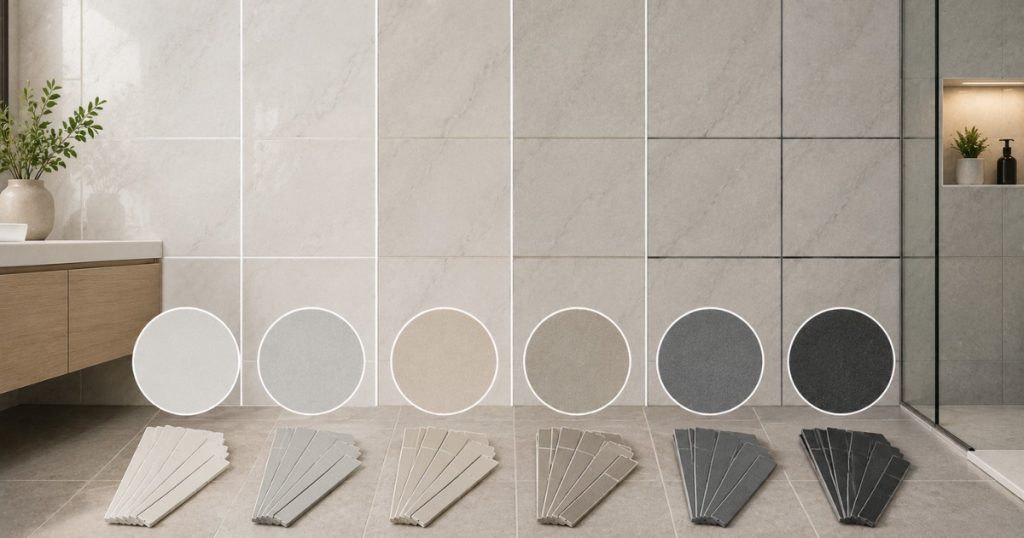
Choosing new bathroom tiles is exciting, but the grout colour you pair with them can completely change the final result. Your Bathroom Grout Colour might seem like a small detail, yet it affects how your tiles, patterns and entire bathroom design come together.
The right grout can blend smoothly with your tiles for a seamless finish or create bold contrast that makes every tile stand out. Your choice can also affect how easy the tiled surface is to maintain and how it looks after years of everyday use.
For New Zealand homeowners planning a bathroom renovation or simply refreshing an existing tiled area, choosing grout deserves just as much thought as selecting the tiles themselves. Once the grout is installed across an entire wall or floor, its visual impact becomes much greater than it appeared on a tiny sample.
This complete guide covers 10 important points to help you choose a Bathroom Grout Colour that complements your tiles, suits your bathroom style and works well for everyday life.
Why Grout Colour Matters in Bathroom Design
Grout fills the joints between tiles, but it also becomes an important part of the overall design. A closely matched Bathroom Grout Colour allows individual tiles to visually flow together, while a contrasting shade clearly defines each tile and makes the pattern more noticeable.
Your decision can also influence how bright, spacious or busy your bathroom appears. Practical factors matter too, as some grout colours may show everyday dirt, soap residue or mineral deposits more easily than others. The best choice creates a balance between good looks, practical maintenance and your overall bathroom design.
1.How to Choose Grout Colour Based on Your Tiles
Your tiles should always be the starting point when selecting a Bathroom Grout Colour. Look closely at the main shade and any secondary tones within the tile. If you want a clean and seamless finish, choose grout that closely matches the dominant tile colour. Warm beige tiles, for example, often pair beautifully with cream, sand or soft taupe grout.
For a more striking finish, choose a contrasting shade that highlights the shape and layout of each tile. White subway tiles paired with charcoal grout create a bold pattern, while white grout delivers a softer and more unified look. Decide whether you want your grout to blend in or stand out before narrowing down your options.
2. Contrast vs Matching Grout: Which Style Works Best?
The level of contrast can completely change how your bathroom tiles look. A Bathroom Grout Colour similar to your tiles creates a seamless surface where individual grout lines attract less attention. This approach works particularly well in minimalist bathrooms where a clean, spacious and uncluttered finish is the goal.
Contrasting grout makes each tile more noticeable and can highlight layouts such as herringbone, brick bond and geometric patterns. If your tiles already have a busy design, a matching grout may prevent the space from looking too full-on. Choose the level of contrast based on whether you want the tile pattern or the overall tiled surface to be the main feature.
3. How Bathroom Size Affects Your Grout Choice
Your Bathroom Grout Colour can influence how open or visually busy your bathroom feels. In smaller bathrooms, matching light grout with light tiles can create a more continuous surface with fewer noticeable visual breaks. This can help the room feel brighter, cleaner and more spacious.
Larger bathrooms give you more freedom to experiment with contrasting grout, feature walls and stronger tile patterns. However, room size should not be your only consideration. Tile size, lighting and layout also affect the final appearance, so look at the complete design before making your decision.
4. How Lighting Impacts Grout Colour Appearance
Lighting can significantly change how a Bathroom Grout Colour appears, so never rely entirely on a showroom sample. Natural daylight can make some shades appear lighter or cooler, while warm artificial lighting may bring out cream, beige or yellow undertones. Cool LED lighting can also change the appearance of certain grey shades.
Place your tile and grout samples together inside your actual bathroom and check them at different times of the day. A colour that looks spot-on in bright morning light may appear completely different at night. Testing your options in the real space can help prevent an unexpected colour mismatch after installation.
5. Best Grout Colours for Easy Cleaning and Maintenance
A good Bathroom Grout Colour needs to work for everyday life as well as look great. Bathrooms regularly deal with moisture, soap residue and dirt, while floor grout also faces foot traffic. Very light grout creates a fresh appearance but may show marks more easily, particularly in busy areas.
Mid-tone shades such as grey, beige and taupe can offer a practical balance between appearance and maintenance. Dark grout may hide certain marks but can sometimes make soap residue or mineral deposits more noticeable. Think realistically about your cleaning routine and choose a colour you can comfortably maintain.
6. Matching Grout With Your Overall Bathroom Style
Your grout should complement the entire bathroom rather than working with the tiles alone. Consider your cabinetry, tapware, benchtops, wall colours and other finishes when selecting a Bathroom Grout Colour. Modern monochrome bathrooms often suit white, grey or charcoal grout, while bathrooms featuring timber and natural finishes may work better with warmer neutral shades.
Think of grout as part of your overall colour palette. Darker grout can visually connect with black tapware, while warm beige or taupe shades can complement brass fixtures and stone-look tiles. The goal is to create a balanced finish where every design element feels like it belongs together.
7. Tile Size and Joint Width: How They Affect Grout Choice
Tile size affects how noticeable your Bathroom Grout Colour will be once installation is complete. Large-format tiles have fewer grout lines, so the colour often has a more subtle influence. Smaller tiles and mosaics create significantly more visible grout, making your chosen shade a major part of the overall design.
The width of the grout joints also matters. Wider joints make the grout colour more prominent, while narrow joints create a subtler effect, particularly when the grout closely matches the tiles. Before making your choice, consider how much grout will actually be visible across the finished surface.
8. Why You Should Test Grout Samples Before Choosing
Small colour charts can give you a general idea, but they may not accurately represent how your chosen Bathroom Grout Colour will look next to your tiles. Whenever possible, compare several grout samples with an actual tile and view them under the lighting conditions in your bathroom.
Testing becomes especially important when choosing between similar shades. A warm grey and cool grey may look almost identical on a chart but produce completely different results next to your tiles. Taking a little extra time to compare your options can save you from ending up with a colour you are unhappy with later.
9. Long-Term Maintenance Tips for Your Grout
Your chosen Bathroom Grout Colour should continue looking good long after the installation is complete. Regular cleaning, effective ventilation and appropriate maintenance can help keep tiled surfaces looking fresh. Effective ventilation also helps keep tiled surfaces looking fresher for longer. Official New Zealand guidance on controlling moisture and damp is available from Building Performance. Depending on the grout product, sealing may also help certain cement-based grouts resist staining and moisture absorption.
Always follow the manufacturer’s recommended care instructions and use cleaning products suitable for your tiles and grout. Avoid harsh cleaning methods that could gradually damage or discolour the surface. With proper care, the right grout colour can complement your bathroom tiles and maintain its appearance for years.
10. Professional Grout Re-colouring: Refresh Your Tiles
If your bathroom tiles are still in good condition but the grout colour looks tired or outdated, you may not need a complete renovation. Professional grout re-colouring can refresh the appearance of existing grout and give your tiled surfaces a completely different look without removing perfectly good tiles.
A professional can assess the existing grout and recommend a Bathroom Grout Colour that better complements your bathroom. However, re-colouring should not hide serious damage. Cracked, loose or deteriorated grout may need proper repair before any colour treatment is applied, ensuring the finished result looks sharp and lasts longer.
Popular Grout Colour Combinations for Modern Bathrooms
Some tile and grout combinations remain popular because they work across a wide range of bathroom styles. White tiles with white grout create a bright and seamless appearance, while pairing white tiles with soft grey grout adds gentle definition without creating an overly strong contrast.
For a bolder look, white subway tiles with charcoal grout can highlight the shape of every tile. Grey tiles with matching grey grout create a modern and unified appearance, while beige and natural stone-look tiles generally pair well with warm neutral shades such as cream, sand and taupe.
When selecting a combination, remember that there is no single best Bathroom Grout Colour for every home. The right option depends on your actual tile, bathroom lighting, surrounding finishes and personal style.
Should Floor and Wall Grout Colour Match?
Your wall and floor grout can be the same colour, but they do not have to match exactly. Using one shade throughout the bathroom can create a consistent design, particularly when similar tiles appear across both surfaces.
However, bathroom floors often deal with more dirt and foot traffic than walls. A very light grout may look fantastic on a wall but require more maintenance on the floor. In this situation, choosing a slightly darker floor grout from the same colour family can provide a practical solution while keeping the overall design connected.
Should Grout Be Lighter or Darker Than Your Tiles?
Both lighter and darker grout can work beautifully when used in the right setting. A lighter Bathroom Grout Colour can soften darker tiles, while a darker shade can define lighter tiles and highlight their shape. Choosing a grout shade close to the tile colour usually creates the most seamless finish.
Consider how much visual attention you want the grout lines to receive. If your tiles already feature strong colours or patterns, subtle grout may work best. If you have simple tiles arranged in an interesting layout, contrasting grout can help bring the design to life.
Best Grout Colours for Low Maintenance
No grout colour is completely maintenance-free, but some shades can be more forgiving than others. Mid-tone colours such as medium grey, warm grey, beige and taupe often hide everyday marks better than very bright white grout.
Dark grout may hide some staining but can make soap residue and mineral deposits more noticeable. White grout creates a fresh and classic appearance but may need more regular cleaning in high-use areas. Your ideal choice should balance the look you want with the amount of maintenance you are comfortable doing.
Does Grout Colour Fade or Change Over Time?
Grout can gradually change appearance because of moisture, cleaning products, dirt and everyday wear. Areas that receive more water or foot traffic may also age differently from less-used sections of the bathroom.
Good installation and regular maintenance can help your Bathroom Grout Colour stay consistent for longer. If existing grout has become badly discoloured but remains in suitable condition, professional cleaning or grout re-colouring may help restore a more uniform appearance.
Avoid These Grout Colour Trends That Date Quickly
Bathroom trends can provide great inspiration, but your grout may remain in place long after a particular style has fallen out of fashion. A bold black-and-white combination might look brilliant in a design magazine, but consider whether it suits your own home and whether you will still enjoy the look years down the track.
Neutral shades remain popular because they work with many tile styles and can adapt to future décor changes. However, this does not mean you need to avoid bold choices. Choose a Bathroom Grout Colour because it genuinely works with your tiles and overall design rather than simply because it is currently trending.
Common Grout Colour Mistakes to Avoid
One common mistake is selecting grout from a tiny colour chart without comparing it with the actual tile. Another is focusing entirely on appearance and forgetting about cleaning, maintenance and the amount of grout that will be visible across the finished surface.
You should also avoid treating grout as a last-minute decision. Choose and test your preferred colour before installation whenever possible. This gives you enough time to compare shades under your bathroom lighting and make a more confident decision.
Can You Change Your Existing Grout Colour?
Yes, in some situations you can refresh or change the appearance of existing grout without replacing all your tiles. Professional grout re-colouring may be suitable when the existing grout is stable but has become stained, uneven or simply no longer suits the bathroom design.
The existing grout should always be assessed first. Re-colouring will not fix loose, badly cracked or failing grout. These problems need proper repair before cosmetic improvements are considered. Getting the preparation right helps create a cleaner and longer-lasting result.
When to Hire a Professional for Grout Colour Advice
Choosing grout colour for a new bathroom can often be handled during the tile selection process. However, professional advice can be valuable when you are working with expensive tiles, complex patterns or existing grout that needs restoration.
A grout specialist can also help if you are unsure whether your current grout simply needs re-colouring or requires more extensive repair. Getting the right advice early can prevent wasted time and help you achieve a more polished result without unnecessary work.
Final Thoughts: How to Choose the Perfect Grout Colour
Choosing the perfect Bathroom Grout Colour means finding the right balance between style, maintenance and everyday practicality. Consider your tile colour, bathroom size, lighting and overall design, and always test a few grout samples before making your final choice.
If your existing grout looks stained, faded or outdated, professional grout re-colouring can give your bathroom a fresh new look without the hassle of replacing your tiles. The right grout colour can completely transform your space and create a cleaner, more polished finish.
Need help refreshing your bathroom grout? Call our team today on 0800 08 4444 for professional advice and reliable grout solutions.