
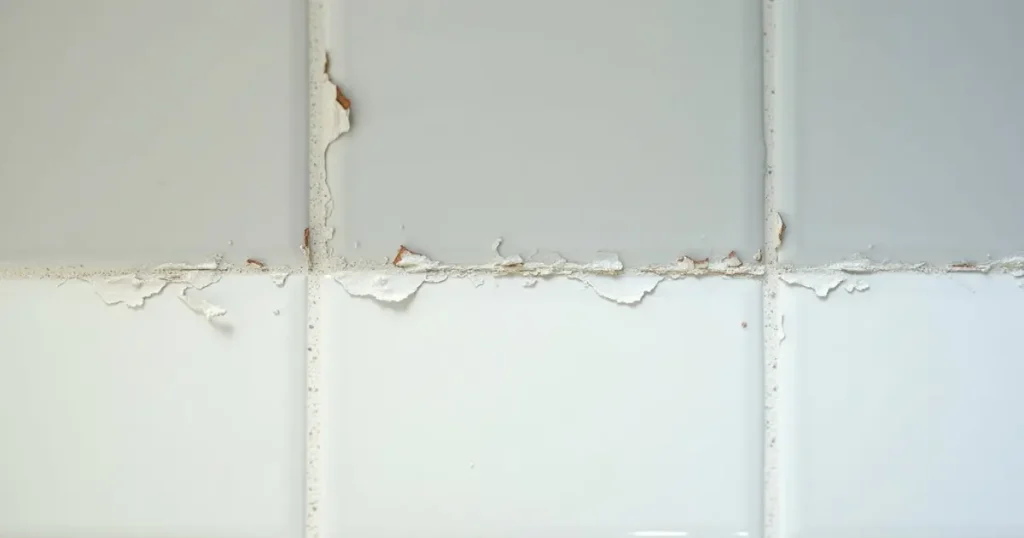
Loose bathroom tiles are more than a cosmetic problem. A tile that moves, sounds hollow when tapped or lifts at the edges can indicate damage beneath the surface. In a bathroom, ignoring loose bathroom tiles can allow moisture to reach areas that should remain dry and cause further tile, grout or substrate damage.
You may not need to replace your entire bathroom. The right repair depends on the cause, the extent of the damage and whether moisture has affected the area.
What Are Loose Bathroom Tiles?
Loose bathroom tiles have lost some or all of their bond with the surface underneath. You may notice movement when you press the tile, a hollow sound when you tap it or gaps around its edges.
Loose bathroom tiles often develop gradually. The grout may crack first, the tile may begin to move slightly and the problem may become more noticeable over time.
A loose tile does not always mean the tile itself has failed. Problems with the adhesive, substrate, waterproofing system, installation or surrounding grout may contribute to the movement.
What Causes Loose Bathroom Tiles?
Nine common problems can cause loose bathroom tiles. Identifying the underlying cause matters because simply sticking a loose tile back down may not provide a lasting repair.
1. Poor Adhesive Coverage Can Cause Loose Bathroom Tiles
Insufficient adhesive coverage commonly causes loose bathroom tiles. When the adhesive does not support the tile properly, unsupported areas remain beneath the tile.
Movement, moisture and everyday use can weaken the bond over time. The tile may then move or produce a hollow sound when tapped.
Use an adhesive that suits the tile, substrate and wet-area environment. New Zealand Building Code guidance also sets requirements for suitable adhesives and substrates in tiled wet areas. See the MBIE guidance on E3 Internal Moisture.
2. An Uneven or Damaged Surface Can Loosen Bathroom Tiles
Tiles need a stable, suitable surface underneath them. If the substrate moves, cracks or remains uneven, the adhesive may struggle to maintain a strong bond.
This can cause loose bathroom tiles, cracked grout and movement across the tiled area.
If several tiles have become loose in the same section, the problem may extend beyond the tiles. A professional inspection can determine whether the substrate needs repair.
3. Water Damage Can Cause Loose Bathroom Tiles
Bathrooms receive regular exposure to water, steam and moisture. When water enters areas where it should not, it can damage materials beneath tiled surfaces.
Loose bathroom tiles may therefore indicate a wider moisture problem, particularly around showers, baths and other wet areas.
New Zealand Building Code Clause E3 addresses internal moisture and requires wet-area surfaces to remain impervious and easy to clean. It also covers moisture management in bathrooms and other areas where moisture can accumulate.
If you suspect water has reached behind your tiles, do not replace only the visible tile. Identify and repair the moisture source first.
4. Old or Deteriorated Adhesive Can Make Bathroom Tiles Loose
Adhesives and surrounding materials can deteriorate as bathrooms age. Repeated exposure to moisture and regular movement can weaken the original bond.
As the adhesive fails, you may notice one loose bathroom tile or several tiles beginning to move.
Older bathrooms may also contain previous repairs beneath the tiles. Removing and inspecting the affected tile can help reveal the original cause.
5. Tile Movement Can Damage the Surrounding Grout
Grout finishes the joints between tiles, but it does not provide the primary bond that holds a tile to the substrate.
When a tile moves, it places pressure on the surrounding grout. The grout may crack, crumble or fall away, allowing more water and dirt to enter the joints.
If your bathroom also has cracked or missing grout, GroutXpert can help with Tile Re-Grouting Services after a professional assesses the loose tile.
6. Poor Tile Installation Can Create Future Problems
Incorrect installation can cause loose bathroom tiles from the beginning.
Installers must prepare the substrate correctly, choose compatible products and follow the tile and adhesive manufacturers’ instructions.
Wet areas also require careful waterproofing. BRANZ provides guidance on waterproofing tiled showers, including membranes, penetrations, application and maintenance. You can review the BRANZ guidance on waterproofing tiled showers.
If the original installation lacked the correct foundation, repairing one loose tile may only provide a temporary result.
7. Building Movement Can Affect Bathroom Tiles
Buildings can move slightly over time. Temperature changes, moisture and structural movement can place stress on tiled surfaces.
When movement exceeds what the installation can accommodate, tiles or grout may crack, shift or become loose.
If you notice several loose bathroom tiles, repeated cracking or movement across a larger area, arrange an assessment instead of treating each tile as an isolated problem.
8. Incorrect Expansion or Movement Joints Can Loosen Tiles
Tiles need room to accommodate movement. Installers use movement joints in suitable locations to help reduce stress across larger tiled areas.
When an installation lacks adequate movement joints, the tiled surface may experience pressure as the building, substrate or surrounding materials move. That pressure can cause cracked grout, tenting, lifting or loose bathroom tiles.
Multiple loose tiles, raised sections or long cracks across grout lines may indicate a movement-related installation problem.
9. Heavy Impact or Excessive Load Can Damage Bathroom Tiles
A heavy object can crack or loosen a tile when it falls onto the surface. Excessive pressure can also affect floor tiles, particularly around fixtures, furniture or areas with inadequate support underneath.
You may notice a chipped tile, a new crack, movement or a hollow sound after an impact.
Inspect the tile and the surrounding area carefully. If the impact damaged the substrate or caused nearby tiles to move, replace only the visible tile after checking the wider area.
7 Signs You Have Loose Bathroom Tiles
Loose bathroom tiles do not always show obvious damage. Look for these warning signs:
- The tile moves when you press it
Even slight movement can indicate that the bond underneath has weakened. - The tile sounds hollow
A hollow sound may indicate gaps beneath the tile, although sound alone cannot confirm that the tile has become loose. - The grout around the tile keeps cracking
Repeated grout cracking can occur when the tile or substrate moves. - The tile edges are lifting
Raised edges require attention before the problem spreads. - Water or dirt collects around the tile
Gaps and damaged joints allow moisture and dirt to enter more easily. - More than one tile is becoming loose
Multiple loose bathroom tiles may indicate a problem with the substrate, adhesive, waterproofing or installation. - The tile feels different from surrounding tiles
A tile that feels unstable underfoot deserves professional attention.
Can Loose Bathroom Tiles Be Repaired?
In many cases, professionals can repair loose bathroom tiles. The repair method depends on the tile’s condition and the surface underneath it.
A professional will assess whether the tile can be removed safely, whether you can reuse it and whether the substrate or adhesive needs repair.
Repairing One or Two Loose Bathroom Tiles
If only one or two tiles have become loose and the surrounding area remains sound, a local repair may solve the problem.
A professional can remove the tile carefully, inspect and prepare the surface, and reinstall the tile with a suitable adhesive.
The surrounding grout may need repair after the tile has been secured.
Repairing Multiple Loose Bathroom Tiles
When several tiles have become loose, focus on the underlying cause rather than the individual tiles.
A professional may inspect the substrate, adhesive coverage, surrounding grout, movement joints and potential moisture issues before recommending a repair.
Replacing several tiles without addressing the underlying problem may allow the same issue to return.
When Loose Bathroom Tiles Need Replacement
A loose tile may need replacement if it has cracked, chipped or suffered damage that prevents safe reuse.
If moisture has affected the substrate or waterproofing system, you may also need more extensive work.
Do not assume that replacing the visible tile will solve the entire problem. The condition underneath the tile matters just as much.
Does Regrouting Fix Loose Bathroom Tiles?
Regrouting alone does not normally fix loose bathroom tiles.
Grout fills the joints between tiles. It does not create the primary bond that holds a tile securely to the substrate.
If the tile has become loose, assess the underlying issue first. Regrouting may form part of the overall repair after you secure the tile properly.
This matters particularly in shower areas, where damaged joints and moisture problems can work together.
For more information, read GroutXpert’s guide to fixing cracked shower grout.
Are Loose Bathroom Tiles a Sign of Water Damage?
Sometimes. Loose bathroom tiles do not automatically confirm water damage, but you should consider moisture when the problem occurs in a shower or another wet area.
Water can enter through damaged joints, failed seals or other openings and damage materials behind the visible surface.
Building Performance guidance explains that shower penetrations need proper waterproofing to help prevent water from reaching concealed building elements. Read the Building Performance guidance on sealed shower penetrations.
If you notice loose bathroom tiles alongside mould, damp smells, damaged grout, staining or repeated silicone failure, arrange an inspection instead of covering up the symptoms.
How Professionals Repair Loose Bathroom Tiles
A proper repair starts by identifying why the tile became loose.
Step 1: Inspect the Affected Tile
The professional checks the tile for movement, cracks, chips and signs of previous repairs.
Step 2: Remove the Loose Tile Carefully
If removal provides the best repair option, the professional removes the tile carefully to reduce the risk of damaging surrounding tiles.
Step 3: Check the Surface Underneath
The professional assesses the exposed substrate and remaining adhesive for damage, moisture, movement and poor preparation.
Step 4: Address the Underlying Problem
The professional repairs or removes unsuitable adhesive, damaged substrate or moisture-related problems before reinstalling the tile.
Step 5: Reinstall or Replace the Tile
The professional selects an appropriate adhesive and installation method for the tile and bathroom environment.
Step 6: Restore the Grout and Seals
After securing the tile, the professional restores the surrounding grout and silicone where necessary.
If your bathroom also has damaged seals, GroutXpert provides Silicone Replacement services for vulnerable joints around wet areas.
How to Prevent Loose Bathroom Tiles
Prevention starts before installation and continues with regular maintenance.
Use the Right Adhesive
Choose an adhesive that suits the tile, substrate and environment. NZ Building Code guidance for tiled wet areas states that installers should bed tiles with an adhesive suitable for the tiles, substrate and environment of use. Review the Acceptable Solution E3/AS1 guidance.
Prepare the Substrate Properly
A clean, stable and suitable substrate gives the tile installation a stronger foundation.
Install Movement Joints Where Required
Movement joints help the tiled surface accommodate changes in the building and substrate. A qualified installer can determine where the installation needs them.
Protect Wet Areas From Moisture
Proper waterproofing and sealing remain essential in showers and other wet areas. The Building Code’s E3 provisions address moisture control in bathrooms and other internal wet areas.
Deal With Damaged Grout Early
Repair cracked or missing grout promptly. Early repairs can reduce further deterioration and help you identify developing problems.
Do Not Ignore Tile Movement
Investigate a moving tile early. A small repair can become more complicated if moisture or substrate damage develops underneath.
Avoid Heavy Impact
Take care when moving heavy objects around tiled bathrooms. Replace or repair damaged tiles promptly after an impact.
Loose Bathroom Tiles vs Cracked Grout
These problems can look similar, but they require different repairs.
| Problem | What You May Notice | Possible Cause |
|---|---|---|
| Loose bathroom tiles | The tile moves or sounds hollow | Adhesive failure, substrate movement, moisture or impact |
| Cracked grout | Cracks appear in tile joints | Movement, age, poor installation or moisture |
| Missing grout | Open joints appear between tiles | Grout deterioration or damage |
| Raised tile | One tile sits higher than others | Installation, movement or substrate issue |
| Multiple loose tiles | Several tiles move in one area | Wider installation, substrate, waterproofing or moisture problem |
Understanding the difference helps you choose the right repair instead of treating every bathroom tile problem as a grout issue.
When Should You Call a Professional?
Call a professional when loose bathroom tiles continue to move, when several tiles have become loose or when you suspect moisture has reached behind the tiled surface.
You should also seek professional advice when loose tiles appear in a shower or another area that receives regular water exposure.
A professional can determine whether you need local tile repair, regrouting, sealing, silicone replacement or a more extensive solution.
GroutXpert also provides Tile and Grout Sealing & Repairs for bathrooms and tiled areas that need additional protection and repair.
Frequently Asked Questions About Loose Bathroom Tiles
Can I glue loose bathroom tiles back down?
Identify the cause before carrying out a repair. The correct adhesive and surface preparation depend on the tile, substrate and bathroom environment.
Can I fix loose bathroom tiles without removing them?
If a tile has significant movement, proper repair may require removal so a professional can inspect and prepare the surface underneath. The appropriate method depends on the installation’s condition.
Will new grout stop bathroom tiles from becoming loose?
New grout does not replace the adhesive underneath a loose tile. If the tile has lost its bond, address the underlying issue first.
Are loose shower tiles a serious problem?
They can be. A loose shower tile may result from an installation issue, substrate movement, moisture damage, poor waterproofing or impact. Because showers receive regular water exposure, investigate loose tiles early.
Do loose bathroom tiles always need replacement?
No. A professional may remove, assess and securely reinstall some tiles. Replacement becomes more appropriate when the tile has suffered damage or cannot be reused.
How can I tell if water is getting behind my bathroom tiles?
Signs can include recurring grout damage, mould, staining, damp smells, loose tiles or repeated sealant failure. Visible symptoms alone cannot confirm what is happening behind the surface, so arrange a professional inspection when you notice several signs together.
Can one loose tile indicate a bigger problem?
Yes. One loose tile may result from local impact or adhesive failure, but it can also indicate substrate movement, moisture or poor installation. Inspect the surrounding area before completing a local repair.
How long do bathroom tile repairs take?
The timeframe depends on the number of loose tiles, the condition of the substrate and whether moisture has caused hidden damage. A simple local repair may take less time than a repair involving waterproofing or substrate replacement.
Should I use silicone around a loose bathroom tile?
Silicone cannot replace the adhesive that bonds a tile to the substrate. Use silicone only as part of the correct sealing process after securing the tile and addressing the underlying problem.
Final Thoughts on Loose Bathroom Tiles
Do not ignore loose bathroom tiles. One moving tile can indicate a problem with adhesive, substrate, installation, movement, impact or moisture management.
The best repair depends on the cause. Addressing the underlying problem first gives your tiles a better chance of staying secure and helps prevent the issue from returning.
If you have loose bathroom tiles in your Wellington or Palmerston North home, GroutXpert can assess the affected area and recommend a suitable repair.
Need Help With Loose Bathroom Tiles?
Do not wait for a loose tile to become a larger bathroom problem. Contact GroutXpert for professional tile and grout repair services across Wellington and Palmerston North.
Get in touch with GroutXpert today for a free quote and find the right solution for your bathroom tiles.