
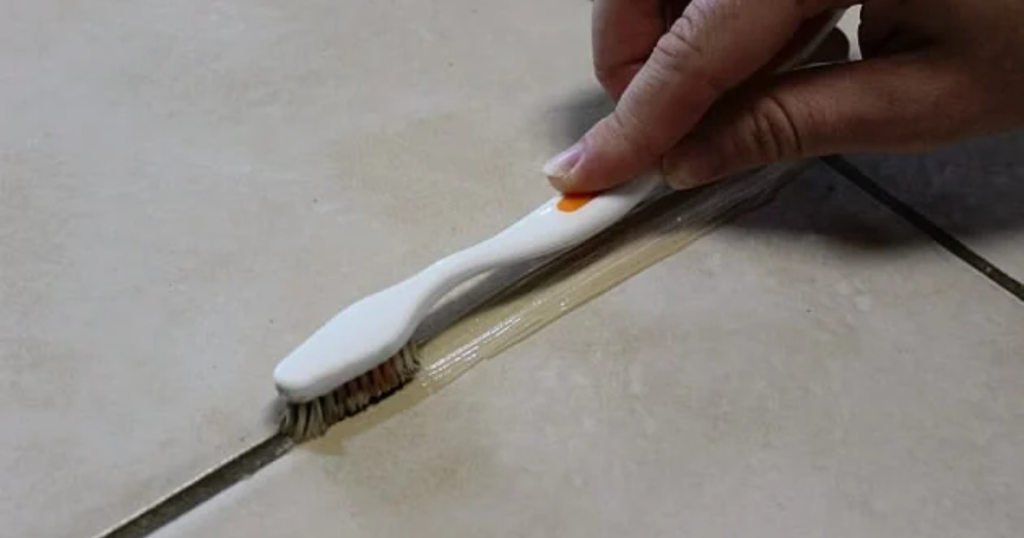
Grout Gets Dirty After Cleaning can be frustrating, especially when you spend time scrubbing your bathroom or kitchen tiles only to see the grout turn dark again. The problem often goes deeper than surface dirt. Soap residue, trapped moisture, mould, damaged grout and incorrect cleaning methods can all cause grout to look dirty soon after cleaning.
If you live in New Zealand, damp bathrooms, poor ventilation and regular shower use can make the problem worse. The good news is that you can often restore your grout and keep it looking cleaner for longer by identifying the cause and choosing the right solution.
In this guide, GroutXpert explains seven common reasons grout gets dirty after cleaning and how to prevent it from happening again.
Why Does Grout Get Dirty After Cleaning?
Before choosing another cleaning product, it helps to understand why grout gets dirty after cleaning in the first place.
Grout fills the gaps between tiles. Many cement-based grouts have a porous surface that can absorb moisture, dirt, soap residue and other contaminants. Even after scrubbing, some dirt may remain inside the grout or settle back onto the surface.
If your grout keeps looking dirty after cleaning, you may need to change your cleaning method, improve ventilation, repair damaged grout or apply a suitable grout sealer.
For more information about recurring dark stains, read our guide to why grout turns black in the shower, which covers common causes of black grout and ways to prevent discolouration. Replace this link with the dedicated black-grout article URL if it differs from the homepage.
7 Reasons Grout Gets Dirty After Cleaning and How to Fix Them
1. Soap Residue Builds Up on the Grout
Soap residue is one of the most common reasons grout gets dirty after cleaning in showers and bathrooms.
When you use soap, shampoo and body wash, their residue can settle on tiles and grout. If you do not rinse the area properly, this film attracts dirt and can leave grout looking dull, grey or sticky.
How to fix it:
- Use a suitable tile and grout cleaner to remove soap residue.
- Follow the product instructions and recommended contact time.
- Scrub the grout gently with a grout brush.
- Rinse the surface thoroughly with clean water.
- Dry the area with a towel or squeegee after showering.
How to prevent it: Rinse your shower walls and floor after use. Regular maintenance helps stop soap residue from building up. You can also follow our bathroom tile maintenance tips for more ways to keep tiled surfaces cleaner for longer.
2. You Are Using the Wrong Grout Cleaning Product
The cleaning product you choose can affect how well your grout responds to cleaning.
Some household cleaners remove surface dirt but leave behind a residue that attracts more grime. Strong chemicals can also damage certain grout types, tile finishes or nearby surfaces when used incorrectly.
How to fix it:
Choose a cleaner designed for your specific tile and grout type. Follow the manufacturer’s instructions and test the product on a small, inconspicuous area first. Never mix cleaning products, especially bleach with acidic cleaners or ammonia-based products.
How to prevent it: Check the tile and grout manufacturer’s care instructions before trying a new cleaning solution. If ordinary cleaning no longer removes stubborn grime, consider professional tile and grout cleaning to help remove embedded dirt.
3. Moisture and Poor Bathroom Ventilation Encourage Mould
Moisture is another major reason grout gets dirty after cleaning, particularly in bathrooms with limited airflow.
Warm showers create humidity. When moisture stays on grout for long periods, mould and mildew can develop on damp surfaces. This can leave black, grey or green marks that return after cleaning.
How to fix it:
- Run an extractor fan during showers and afterwards.
- Open a window when practical to improve airflow.
- Use a squeegee to remove excess water from shower walls.
- Dry persistently damp corners and grout lines.
- Check for leaks if the same areas remain wet.
How to prevent it: Keep your bathroom as dry and well-ventilated as possible. New Zealand tenants and homeowners can refer to Tenancy Services’ Healthy Homes ventilation guidance for more information about ventilation in rental properties.
If mould keeps returning despite regular cleaning, check for hidden moisture or damaged grout rather than repeatedly scrubbing the same area. GroutXpert’s bathroom shower grout and tile restoration services may be worth considering if the affected surface needs more than routine maintenance.
4. Your Grout Has Not Been Properly Sealed
Grout sealing can help reduce staining when you use a suitable sealer on compatible grout.
Many cement-based grouts can absorb water and dirt because they have a porous structure. If your grout needs sealing and remains unprotected, everyday spills, soap residue and grime can penetrate the surface. This can make grout look dirty again shortly after cleaning.
How to fix it:
First, clean the grout thoroughly and allow it to dry according to the product instructions. Check whether your grout type is suitable for sealing. If it is, apply a compatible grout sealer as directed and allow the recommended curing time before exposing the area to water.
How to prevent it: Inspect your grout periodically and follow the sealer manufacturer’s maintenance recommendations. Sealing reduces absorption but does not make grout completely stain-proof or waterproof.
For professional help, explore GroutXpert’s tile and grout sealing and repairs service. The service includes cleaning, sealing and repairs for damaged or missing grout where appropriate.
5. Dirt Remains Trapped Inside Porous Grout
Sometimes, the grout looks clean on the surface but still contains embedded dirt.
Ordinary mopping and light scrubbing may not remove grime that has worked into porous grout. This is particularly common in kitchen floors, entryways and other high-traffic areas where dirt and fine particles collect every day.
How to fix it:
- Remove loose dust and debris before wet cleaning.
- Use a grout-safe cleaner suitable for the surface.
- Work in small sections with an appropriate brush.
- Rinse away loosened dirt instead of spreading it across the floor.
- Consider professional tile and grout cleaning if ordinary methods do not work.
How to prevent it: Sweep or vacuum tiled floors regularly and clean spills as soon as possible. Removing loose dirt first also reduces the chance of grinding abrasive particles into the grout during cleaning.
If your tiles look clean but the grout remains dark, professional cleaning can help determine whether embedded dirt, staining or grout deterioration is responsible.
6. Your Grout Is Cracked, Worn or Damaged
Damaged grout can explain why grout gets dirty after cleaning even when you use the right products.
Cracks, gaps and crumbling grout can allow dirt and moisture to collect in places that are difficult to clean. Damaged grout may also indicate movement, age or water-related problems that ordinary cleaning cannot solve.
How to fix it:
Inspect the grout lines for cracks, missing sections, loose material and recurring dark patches. Minor surface problems may respond to suitable grout repair, while widespread deterioration may require regrouting.
If you notice loose tiles, persistent dampness or signs of a leak, investigate the underlying issue before repairing the grout. Replacing grout alone will not solve every waterproofing problem.
How to prevent it: Check tiled areas regularly and address small areas of deterioration before they spread. Flexible sealant, such as silicone, is generally used at movement joints and changes of plane where appropriate, rather than replacing grout throughout the tiled surface.
If your grout is cracked or crumbling, learn more about GroutXpert’s tile and grout sealing and repairs service to understand the available repair options.
7. You Are Cleaning Grout Incorrectly or Leaving Dirty Water Behind
Your cleaning technique can also cause grout to look dirty again soon after you finish.
When you scrub a large area with dirty water, you can spread loosened grime back across the grout lines. Using too much cleaning solution or failing to rinse properly can leave a film that makes the grout look dull or discoloured.
How to fix it:
- Clean a small area at a time.
- Change dirty water regularly.
- Use a grout brush that suits the surface.
- Follow the cleaner’s instructions for rinsing.
- Remove excess water and allow the area to dry before assessing the result.
How to prevent it: Use clean equipment and avoid rushing the rinsing stage. Check the grout again once it has dried, because wet grout can look darker than dry grout.
If the grout still appears stained after it dries, the problem may involve permanent discolouration, mineral deposits or damaged grout rather than poor cleaning technique. Our professional tile and grout cleaning service can help when routine cleaning no longer delivers the result you want.
How to Stop Grout Getting Dirty After Cleaning
Once you identify the cause, a few simple habits can help keep your grout cleaner between deep cleans.
Follow a Simple Grout Maintenance Routine
A regular maintenance routine reduces grime build-up and helps you spot problems early.
- Daily: Wipe away excess shower water and remove visible spills.
- Weekly: Clean tiled surfaces using a suitable cleaner and fresh water.
- Monthly: Check corners, shower joints and grout lines for stains, cracks or recurring mould.
- Periodically: Review whether your grout needs professional cleaning, repair or compatible sealing.
Adjust this routine to suit how often you use the area and how quickly dirt builds up. For additional advice, see our 11 bathroom tile maintenance tips.
Know When DIY Cleaning Is Not Enough
Repeated scrubbing will not always solve the problem. If grout gets dirty after cleaning every time, you may be dealing with deep staining, damaged grout, recurring moisture or a surface that needs specialist treatment.
Professional assessment can help identify the cause and avoid wasting money on cleaning products that only provide temporary results. Explore our professional tile and grout cleaning service to learn how specialist equipment can help remove embedded dirt.
For guidance on maintaining a healthy indoor environment, New Zealand homeowners and tenants can also consult Tenancy Services’ Healthy Homes Standards.
Should You Clean, Seal or Replace Your Grout?
The right treatment depends on the condition of your grout rather than its colour alone.
- Choose cleaning when dirt, soap residue or surface grime causes the discolouration. Start with suitable products or consider professional tile and grout cleaning.
- Consider sealing when compatible grout is clean, sound and suitable for a protective sealer. See our tile and grout sealing and repairs service.
- Consider grout repair or regrouting when grout is cracked, crumbling, missing or badly deteriorated. Visit our services page to explore the available options.
If you are unsure which option suits your tiles, get the grout assessed before committing to a repair.
Frequently Asked Questions
Why does grout get dirty again after cleaning?
Grout may get dirty again because soap residue, moisture, mould, embedded dirt or cleaning-product residue remains on the surface. Damaged or unsealed porous grout can also absorb contaminants, making stains return quickly.
Why does my grout look darker after cleaning?
Wet grout often looks darker than dry grout because it absorbs moisture. Let the area dry fully before deciding whether the cleaning worked. If the grout remains dark, embedded dirt, staining or deterioration may be responsible. Read our guide to why grout turns black in the shower for more information, replacing the link with the dedicated article URL if needed.
Does grout sealer stop grout from getting dirty?
A suitable grout sealer can reduce absorption and make compatible grout easier to maintain. However, it does not prevent all staining, remove existing dirt or fix cracked grout. Learn about tile and grout sealing and repairs before deciding whether sealing is suitable.
Can mould make grout dirty after cleaning?
Yes. Mould can return when moisture remains on grout or hidden dampness persists. Improve ventilation, dry wet surfaces and investigate recurring moisture. Use a suitable cleaning product according to its instructions.
When should I replace grout instead of cleaning it?
Consider repair or regrouting when grout is cracked, crumbling, missing or too deteriorated to clean effectively. If you suspect a leak or waterproofing problem, investigate the cause before replacing the grout. You can explore GroutXpert’s tile and grout services for possible solutions.
Get Help With Grout That Keeps Getting Dirty
If you have cleaned your tiles several times but the grout still looks dirty, you may need more than another round of scrubbing. Identifying the cause is the first step towards a cleaner, longer-lasting result.
GroutXpert provides professional tile and grout cleaning, sealing, repairs and regrouting services across Wellington and Palmerston North.
Contact GroutXpert to discuss your grout concerns and find a suitable solution for your tiled surfaces.
Visit GroutXpert or explore our tile and grout services to get started and bring your grout back to a cleaner, fresher appearance.